

If you want to add a fully independent, functional living space to your property without sacrificing your parking/garage, a Coach House (also known in some markets as a Carriage House) is one of the best options.
A Coach House is typically a detached or semi-detached structure where the core function is a garage/parking area, storage, or a small workshop and in many designs, the residential suite is located above (or at the rear of the same structure).
At Harad Construction, we deliver Coach House projects through an integrated Design & Build approach managing the entire scope from bylaw review and feasibility to detailed design, permits, construction, quality control, and handover. We pay special attention to the technical details that matter most in Coach Houses, such as garage fire separation, ventilation, sound isolation, grading and drainage, and durable material selection.
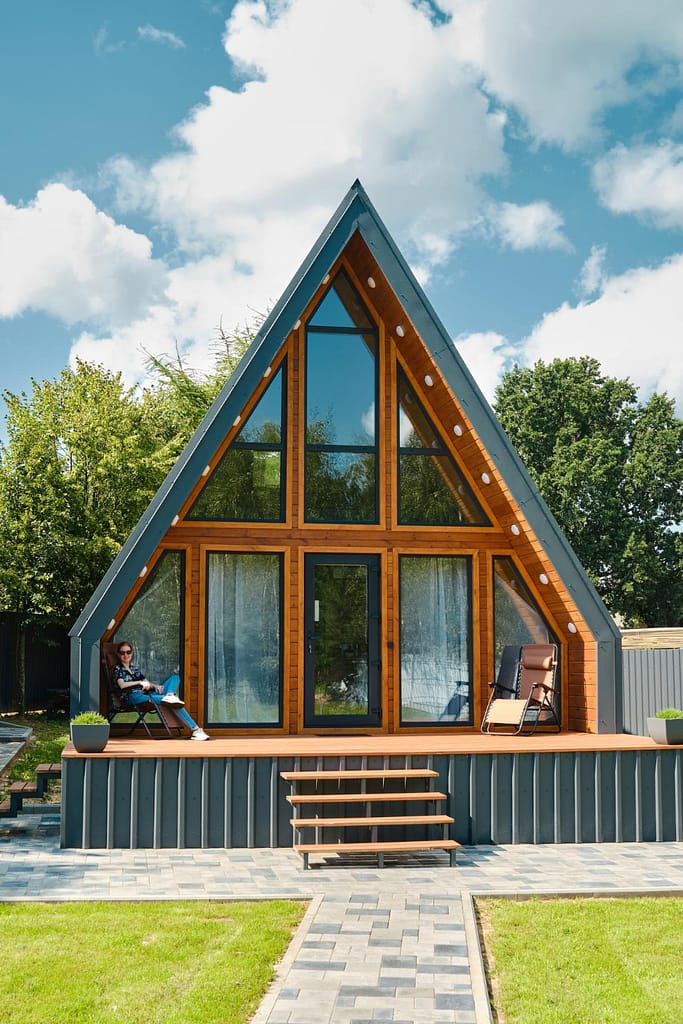
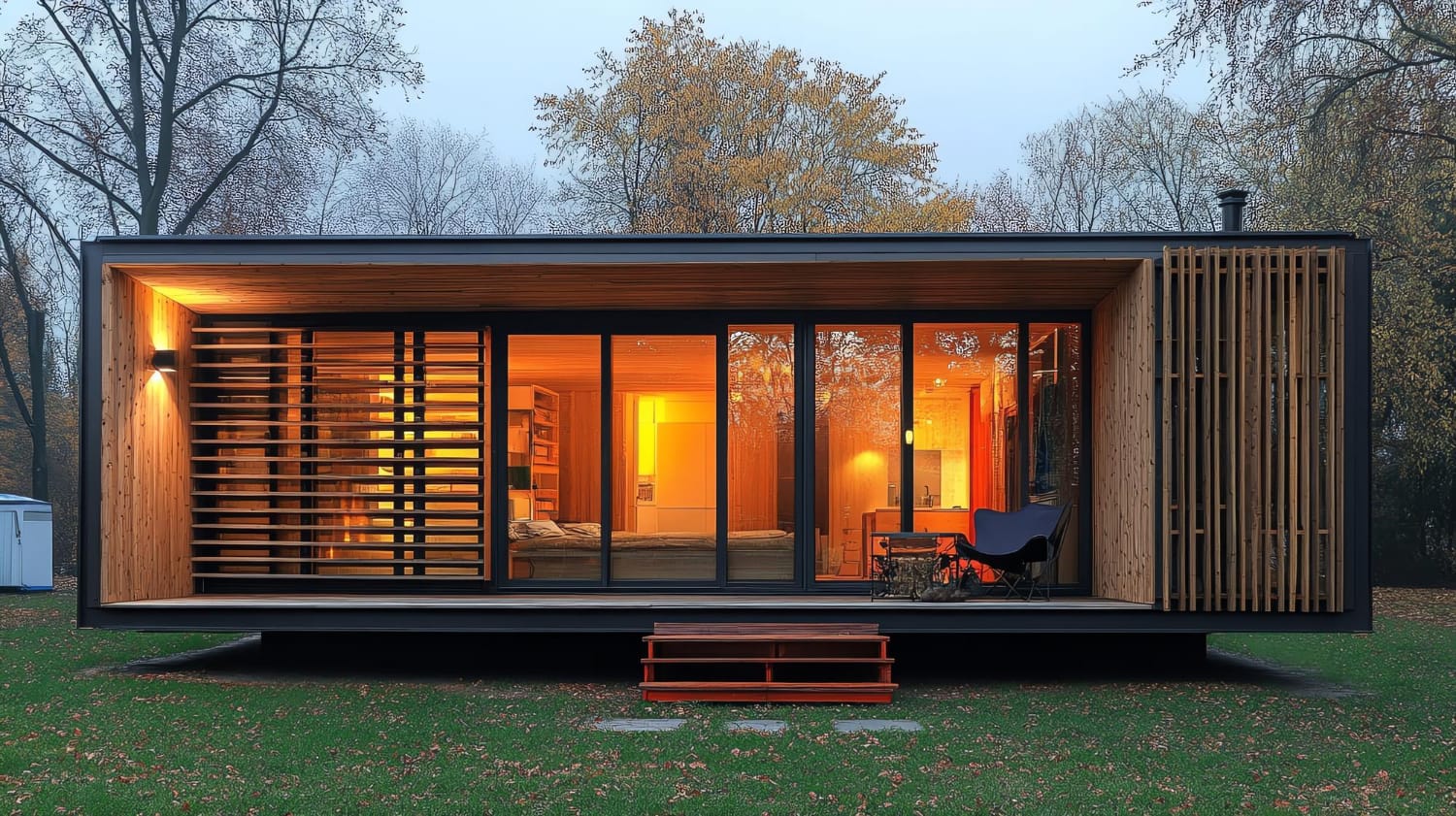
A Coach House is an accessory building on your property that typically combines:
To avoid content overlap and to make it clear for homeowners:
(In some municipalities, terminology can overlap. The final definition always comes down to local bylaws.)

A Coach House is often ideal when you need both added living space and the garage/parking use to remain intact. Common benefits include:
1- Add a living unit without giving up parking
For many properties, parking and storage are non-negotiable. A Coach House lets you keep that function while adding a separate suite.
2- Multi-purpose flexibility
A Coach House can support different use cases, such as:
3- Increase property value with a high-utility addition
A well-built structure that delivers both day-to-day function and livable space often increases market appeal.
4- Better privacy and clearer boundaries
Because it’s a separate building, access routes and entrances can be designed to protect the privacy of both the main home and the new unit.

Depending on bylaws, lot size, and your goals, a Coach House commonly fits one of these models:
1) New Build Coach House
Garage on the main floor + residential suite above (the most common scenario)
2) Existing Garage Conversion + Upgrade
Reinforce/upgrade an existing garage + add a second level or fully renovate to meet living and safety standards
3) Mixed-Use Coach House (Garage + Studio + Suite)
Smartly divide the main floor for storage/workshop + garage, with code-compliant stairs and a properly planned suite above
Fire-rated assemblies, sealing, ventilation, and controlling odours/pollutants are non-negotiable in a Coach House.
Spans, structure, mechanical, and specialized insulation can drive costs up. We shape design options early to keep budget under control without sacrificing quality.
We run the project through a clear compliance checklist to reduce back-and-forth with the City and keep approvals defensible.
The building must function well day-to-day:
Goal: rental, family use, studio/office, or a hybrid
Garage needs: 1-car, 2-car, workshop space
Site constraints: access, slope, existing utilities, neighbours
Multiple layout scenarios with different sizes/garage configurations
Risk review: height limits, setbacks, site coverage, vehicle access
Initial schedule/cost range with finish-level options
Floor plans, building envelope, window layout, daylight and privacy
Structural design considering garage spans and upper-floor loads
Mechanical/electrical/plumbing: ventilation, heating/cooling, power, water and drainage
Construction schedule
Site protection plan (access routes, cleanliness, waste management)
Finalize materials and key details
Foundation and framing
Garage openings and technical details
Building envelope and waterproofing
Mechanical and ventilation
Interior finishes: drywall, cabinets, flooring, paint, fixtures
Deficiency review and corrections before handover
Checklist-based handover
Final touch-ups and close-out items
Maintenance guidance and optional periodic service recommendations
To make your Coach House safe, comfortable, and durable, these details must be handled correctly
Instead of relying on generic promises, the best approach is to evaluate the project with a simple financial model:
During feasibility, Harad Construction helps turn these factors into numbers specific to your property so decisions are based on reality, not guesswork.

Click any project image below to see the project details.
We approach every project as a managed build not a quick fix.
Where alignment, transitions, and finishing quality are engineered into the result.
View the project highlights to see the transformation and final outcome.
View the project highlights to see the transformation and final outcome.


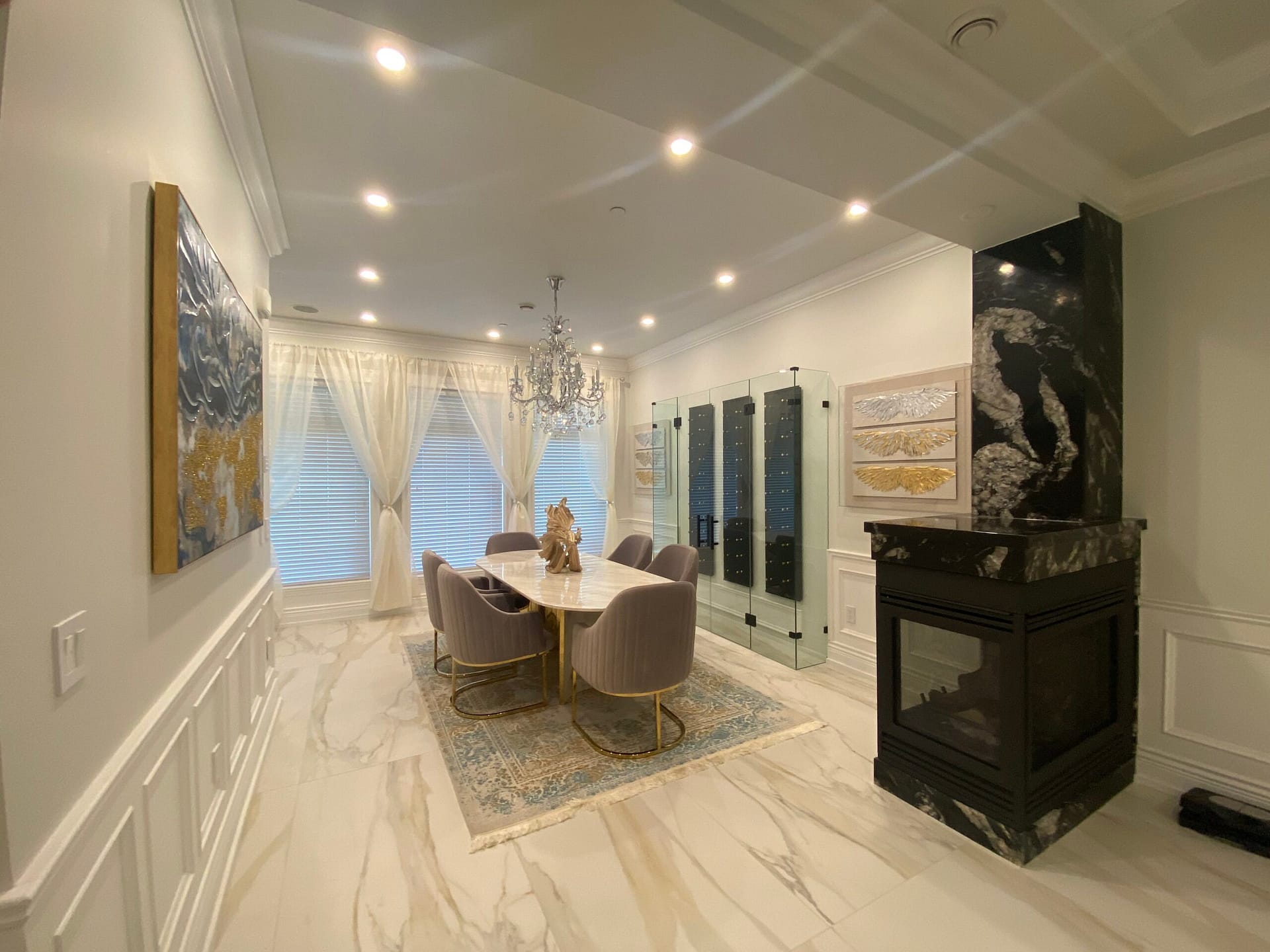
We approach every project as a managed build not a quick fix.
Where alignment, transitions, and finishing quality are engineered into the result.
View the project highlights to see the transformation and final outcome.
View the project highlights to see the transformation and final outcome.


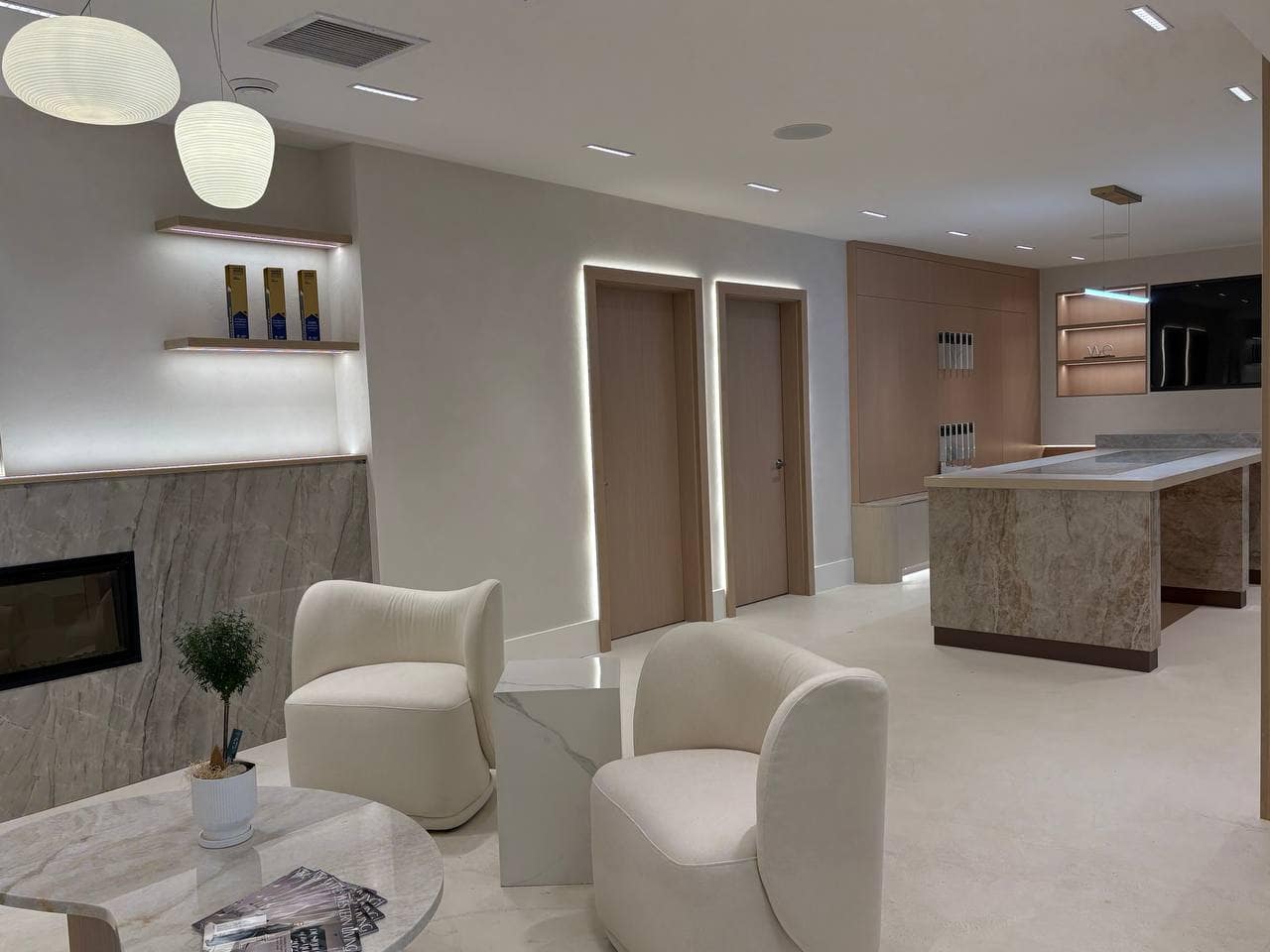

We approach every project as a managed build not a quick fix.
Where alignment, transitions, and finishing quality are engineered into the result.
View the project highlights to see the transformation and final outcome.
View the project highlights to see the transformation and final outcome.


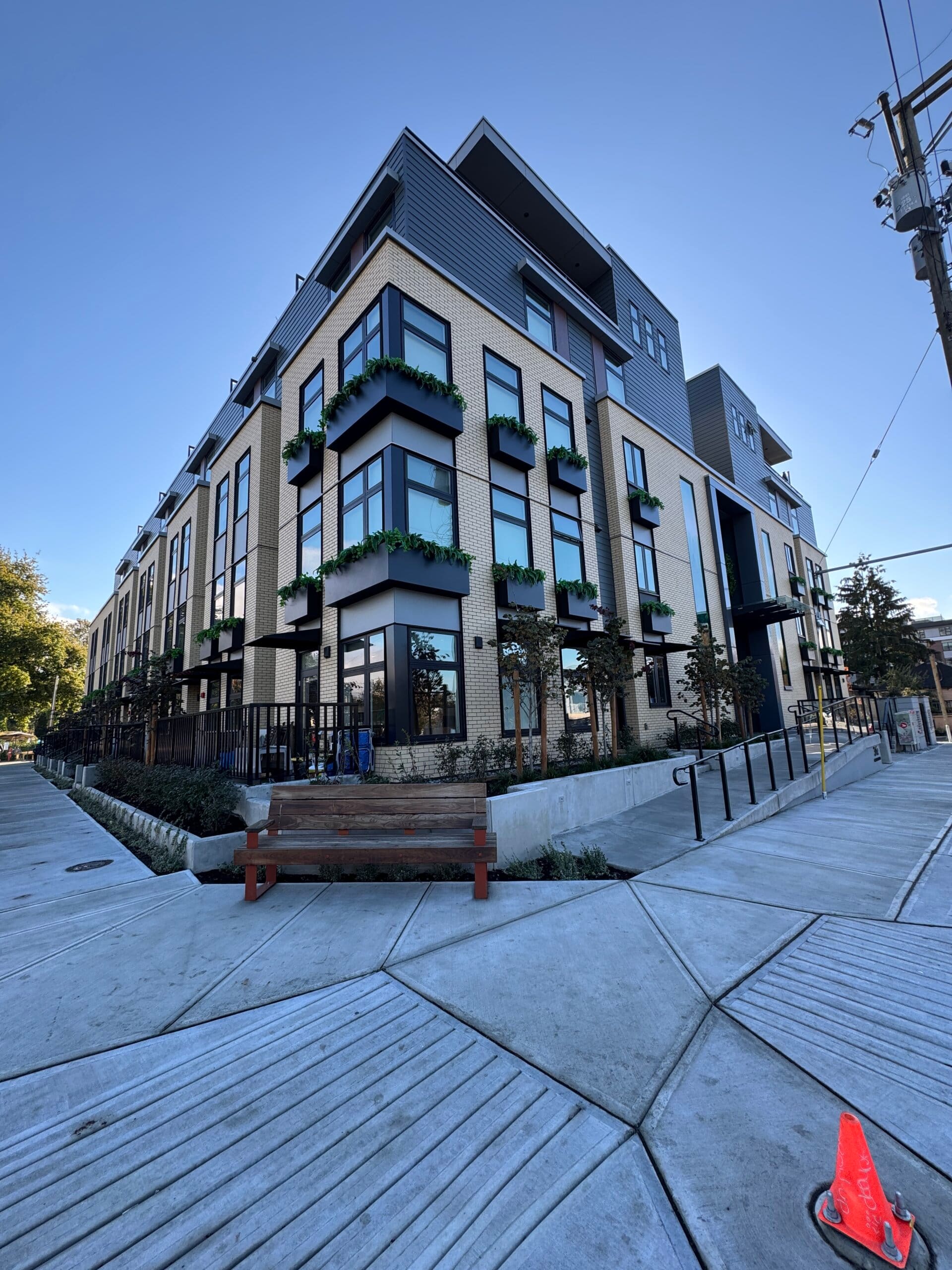
We approach every project as a managed build not a quick fix.
Where alignment, transitions, and finishing quality are engineered into the result.
View the project highlights to see the transformation and final outcome.
View the project highlights to see the transformation and final outcome.


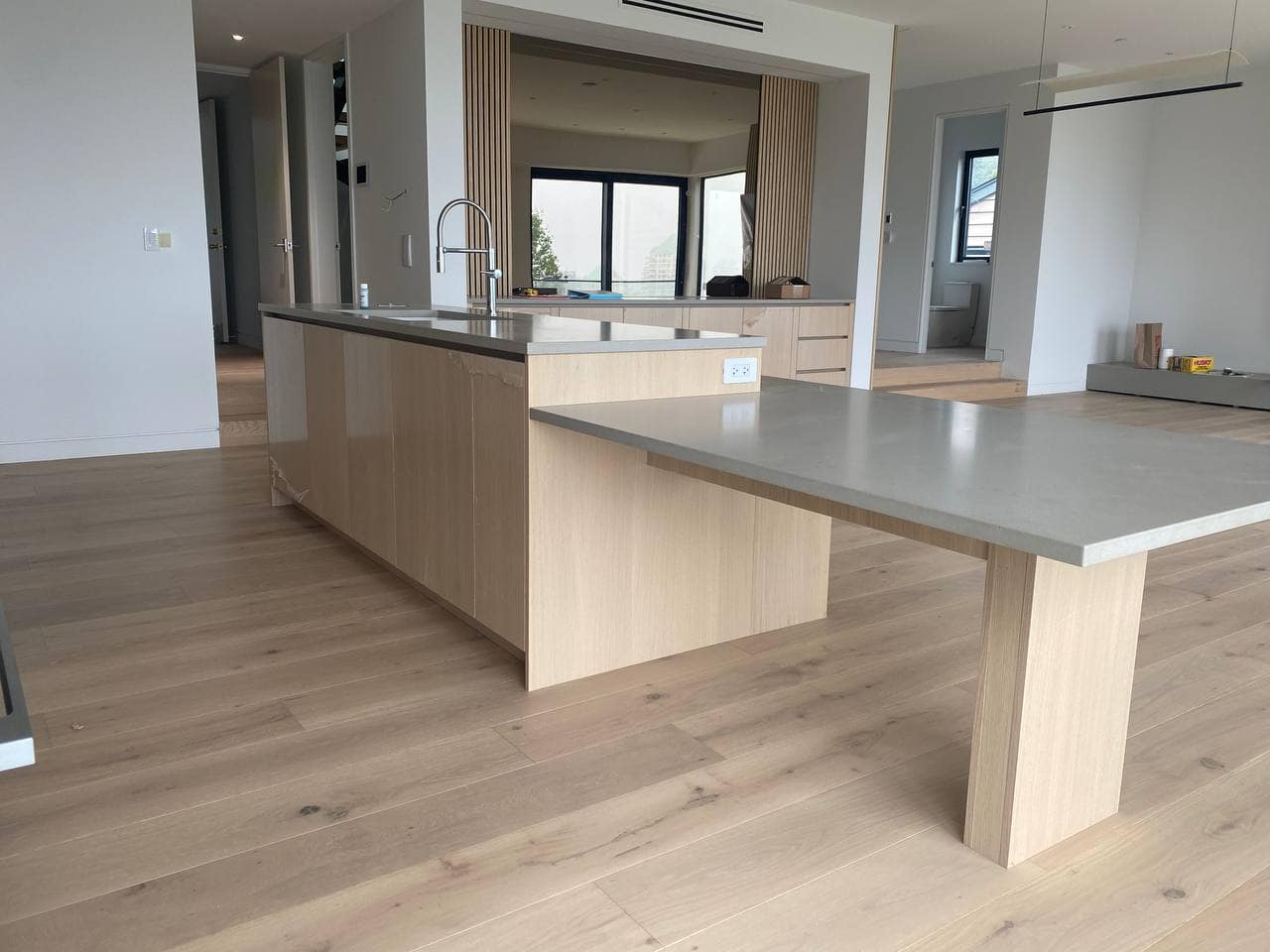
We approach every project as a managed build not a quick fix.
Where alignment, transitions, and finishing quality are engineered into the result.
View the project highlights to see the transformation and final outcome.
View the project highlights to see the transformation and final outcome.


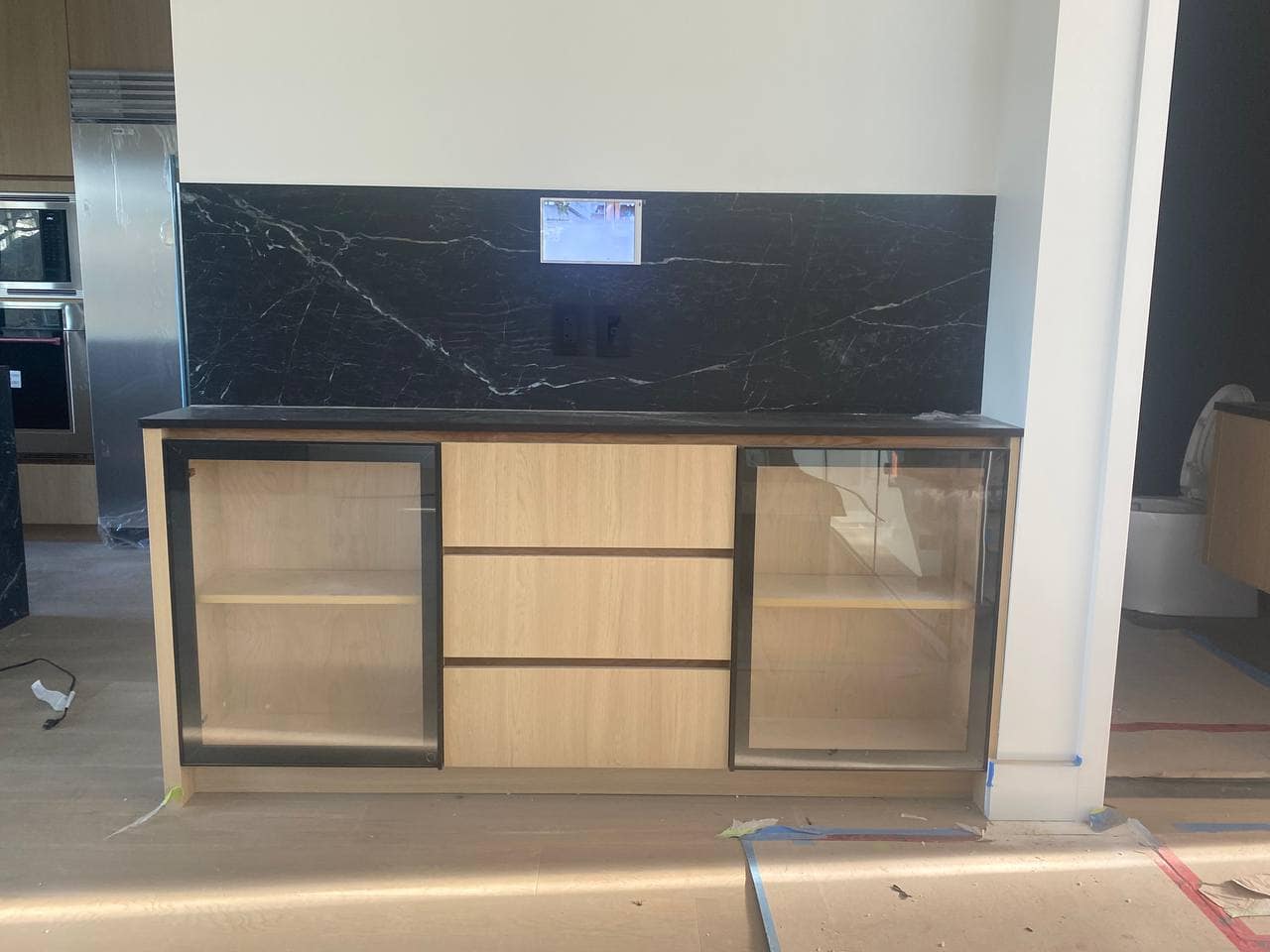

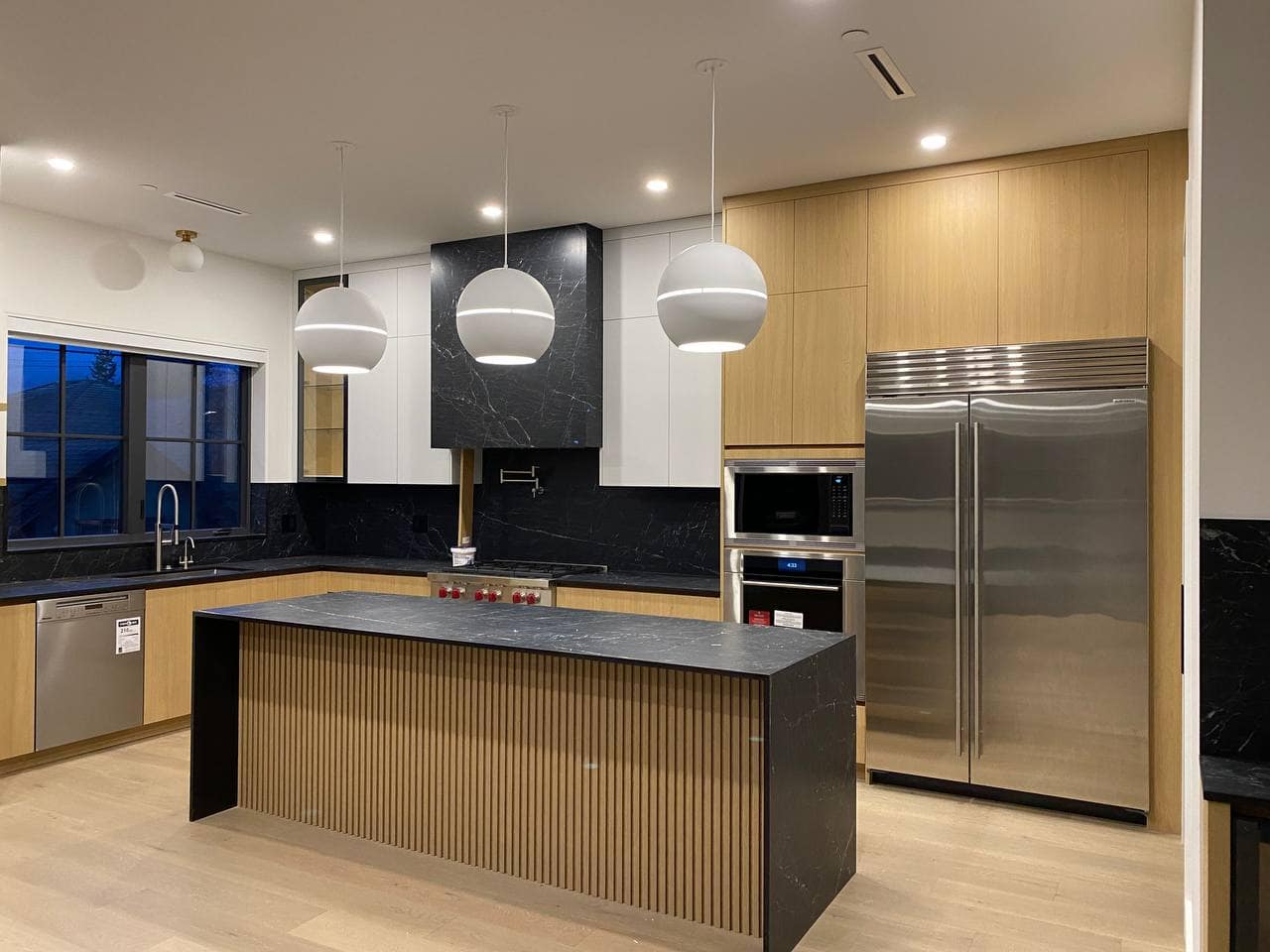
We approach every project as a managed build not a quick fix.
Where alignment, transitions, and finishing quality are engineered into the result.
View the project highlights to see the transformation and final outcome.
View the project highlights to see the transformation and final outcome.




A Coach House is typically designed around the garage/parking function (garage below, suite above). A Laneway House is usually a standalone residential unit, often linked to laneway access. The final definition depends on local bylaws.
In many definitions, yes but some areas may allow more flexible variations. We start by confirming your goals and local requirements.
Sometimes, yes but it must be evaluated for structure, height, utilities, fire safety, and envelope quality. In some cases, a full rebuild is more cost-effective than partial upgrades.
Usually: fire separation and ventilation between garage and suite plus the structural design needed for garage spans and sound control.
It can be excellent if designed from day one for durability, practicality, sound isolation, ventilation, and safety, and if rental use is permitted in your area.
It depends on local bylaws. In some municipalities, maintaining or providing parking can be a major factor. This is confirmed during feasibility.
It depends on existing service capacity and local requirements. Upgrades or new routing may be needed. We propose a serviceable, code-aligned solution during design.
This depends on zoning and site conditions. Since many Coach Houses are two levels (garage + suite), height is a key feasibility checkpoint.
Sometimes but the decision depends on site access, delivery constraints, true cost, and the structural demands of the garage portion. It must be assessed case-by-case.
It depends on design, permits, site conditions, and finish level. We provide a staged timeline early so the project remains trackable.