

If you want to add a self-contained, legal, and fully usable secondary home on your existing property whether for rental income, multi-generational living, or a dedicated work/studio space a Laneway House (also called a Laneway Suite or Laneway Home) is one of the most effective options in Metro Vancouver.
At Harad Construction, we deliver Laneway House projects through a Design & Build model from feasibility and budgeting to drawings, permits, precise construction in tight sites, and final handover with stage-by-stage quality control. The goal is straightforward: a result that’s comfortable to live in, ready to rent, and fully defensible from a bylaw/code perspective.
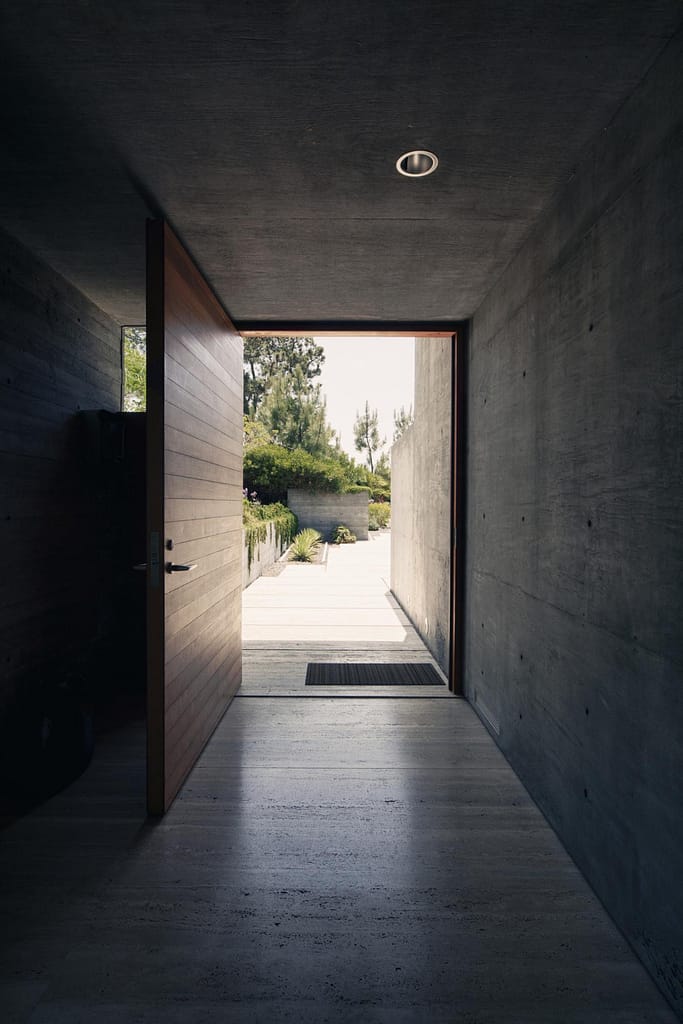

A Laneway House is a fully independent secondary dwelling, typically built at the rear of a lot behind the main house. It can include:
This is typically considered an infill project built within an existing, developed neighbourhood so real on-site constraints (access, neighbours, utilities, and municipal servicing) must be planned and managed professionally.
A Laneway House isn’t just “extra square footage.” It’s a functional asset that can serve multiple goals at once:
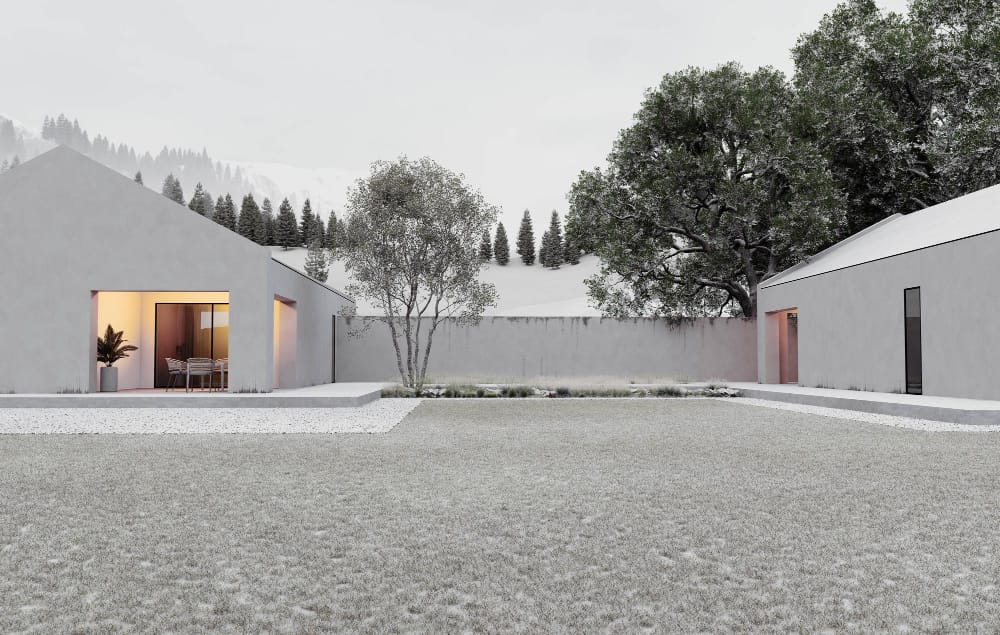
Depending on zoning/bylaws and your needs, a Laneway House can be designed to function as
We shape design decisions around budget, schedule, site constraints, and local requirements to reduce rework, costly changes, and permit back-and-forth.
From feasibility to drawings and construction, compliance must be engineered not guessed. We move forward using documented checklists, required documentation, and clear review steps.
Quality isn’t measured only on possession day. Structure, envelope, insulation, mechanical, waterproofing, and finishes are all verified through checklists and milestone inspections.
Residential projects can escalate quickly due to vague scope or mid-construction changes. We:
Define scope precisely
Classify material/finish levels by tier
Manage changes through a clear process with transparent cost impact
A Laneway House commonly involves:
Limited equipment access
Close proximity to the main house and neighbours
High sensitivity around protecting structures, access routes, landscaping, and utilities
We create a tight-site execution plan to minimize disruption and keep risks controlled.
Primary goal: rental / family / mixed use
Priorities: rooms, daylight, separate entry, privacy
Target quality level and budget
Initial site review (access, slope, utilities, constraints)
Typical deliverables include:
Proposed size/layout scenarios
Execution risks and constraints
Preliminary timeline and budget range
Recommended pathway for permits and design
Efficient, low-waste layouts
Envelope, windows, daylight, ventilation strategy
Logical service routes to reduce cost and improve long-term reliability
A drawing package suitable for permits and for build execution
Detailed construction schedule
Site protection and disruption reduction plan (dust/noise/access routes)
Procurement coordination (materials and trades)
Contract and scope finalization
Foundation and structure
Building envelope (insulation, windows, waterproofing, doors)
Electrical, plumbing, HVAC/ventilation
Interior finishes (flooring, cabinetry, paint, lighting)
Inspections and milestone QA
Punch list completion
Clean, standards-based turnover
Maintenance and service guidance (as needed)

To ensure the unit is genuinely comfortable and durable, these elements must be executed correctly:
Thermal + acoustic insulation (comfort, lower energy costs, better livability)
Building envelope + waterproofing (prevent moisture and hidden damage)
Ventilation and indoor air quality (especially critical in compact layouts)
Fire-safety detailing aligned with local requirements
Serviceable mechanical/electrical (clear access to shutoffs, panel, equipment)
Durable materials suited for daily use and rental wear
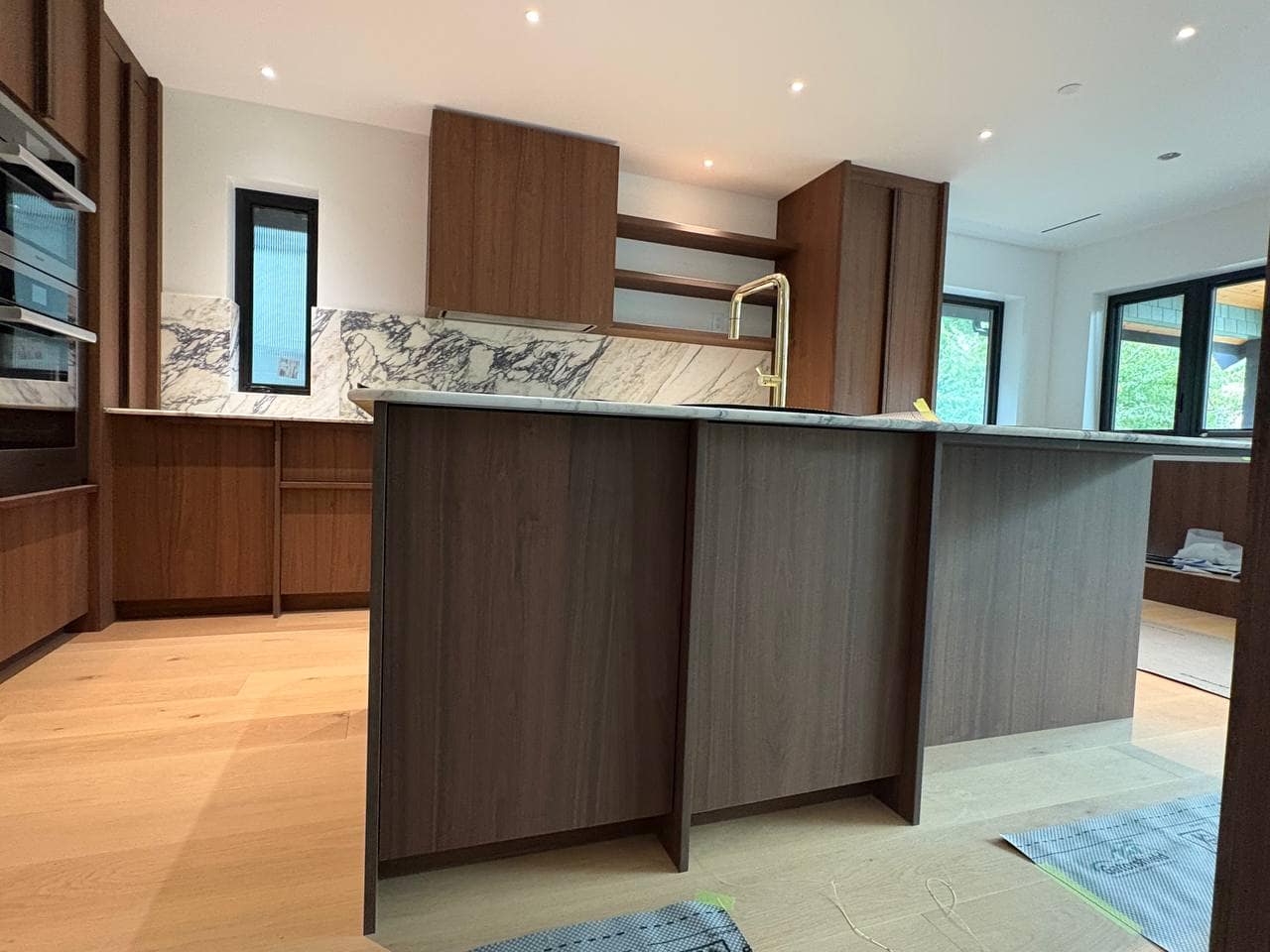
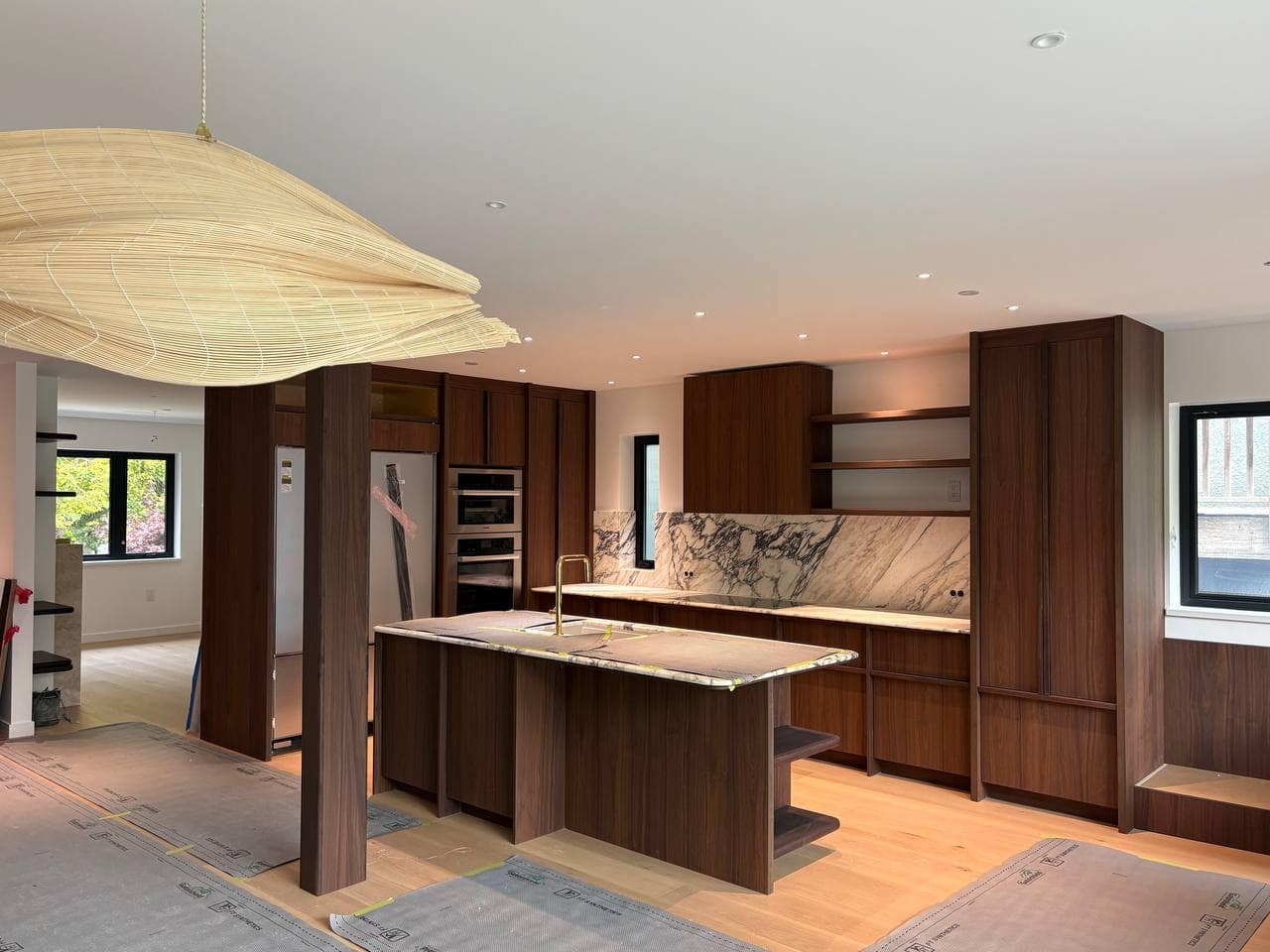
Click any project image below to see the project details.
We approach every project as a managed build not a quick fix.
Where alignment, transitions, and finishing quality are engineered into the result.
View the project highlights to see the transformation and final outcome.
View the project highlights to see the transformation and final outcome.


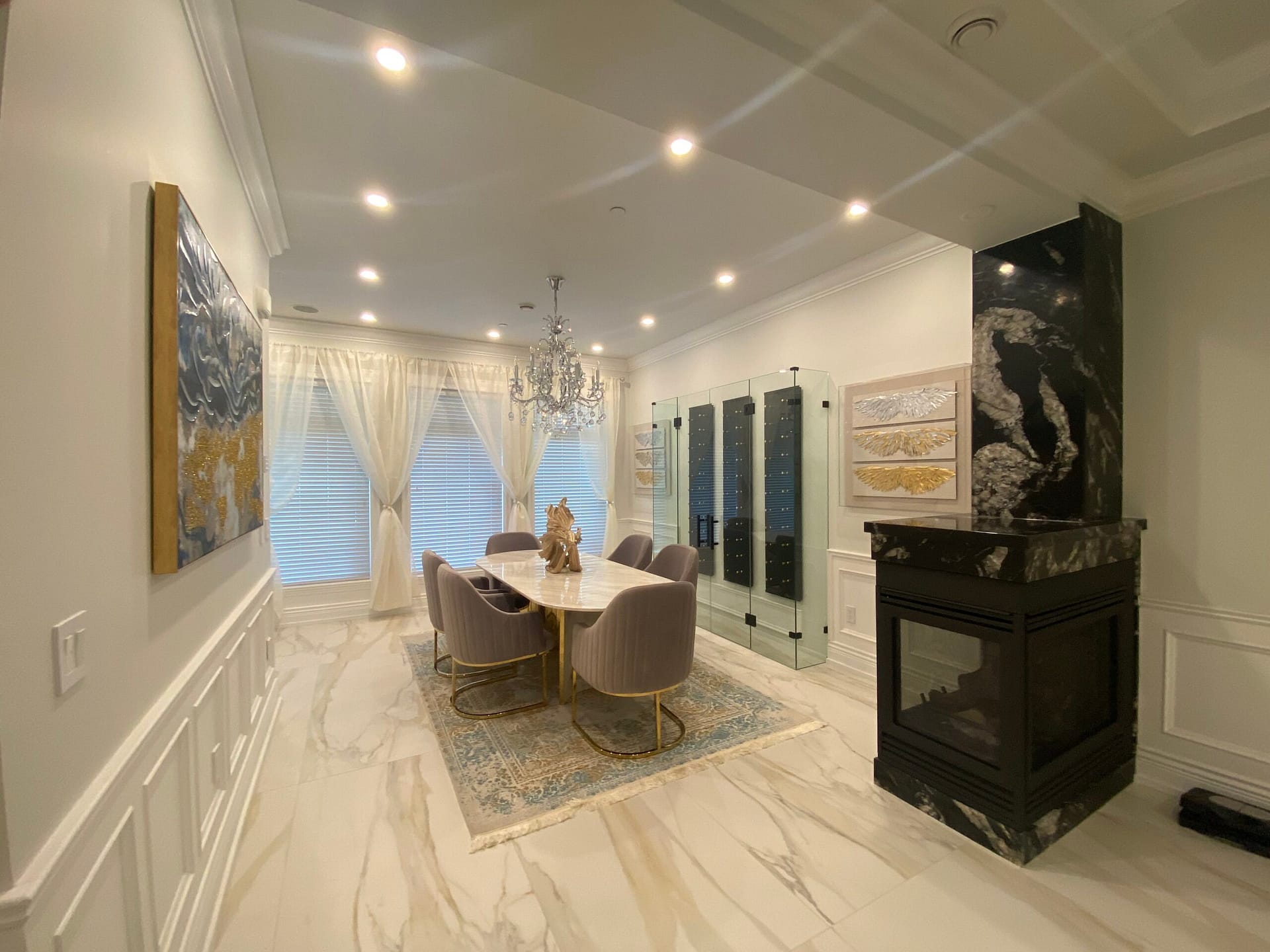
We approach every project as a managed build not a quick fix.
Where alignment, transitions, and finishing quality are engineered into the result.
View the project highlights to see the transformation and final outcome.
View the project highlights to see the transformation and final outcome.


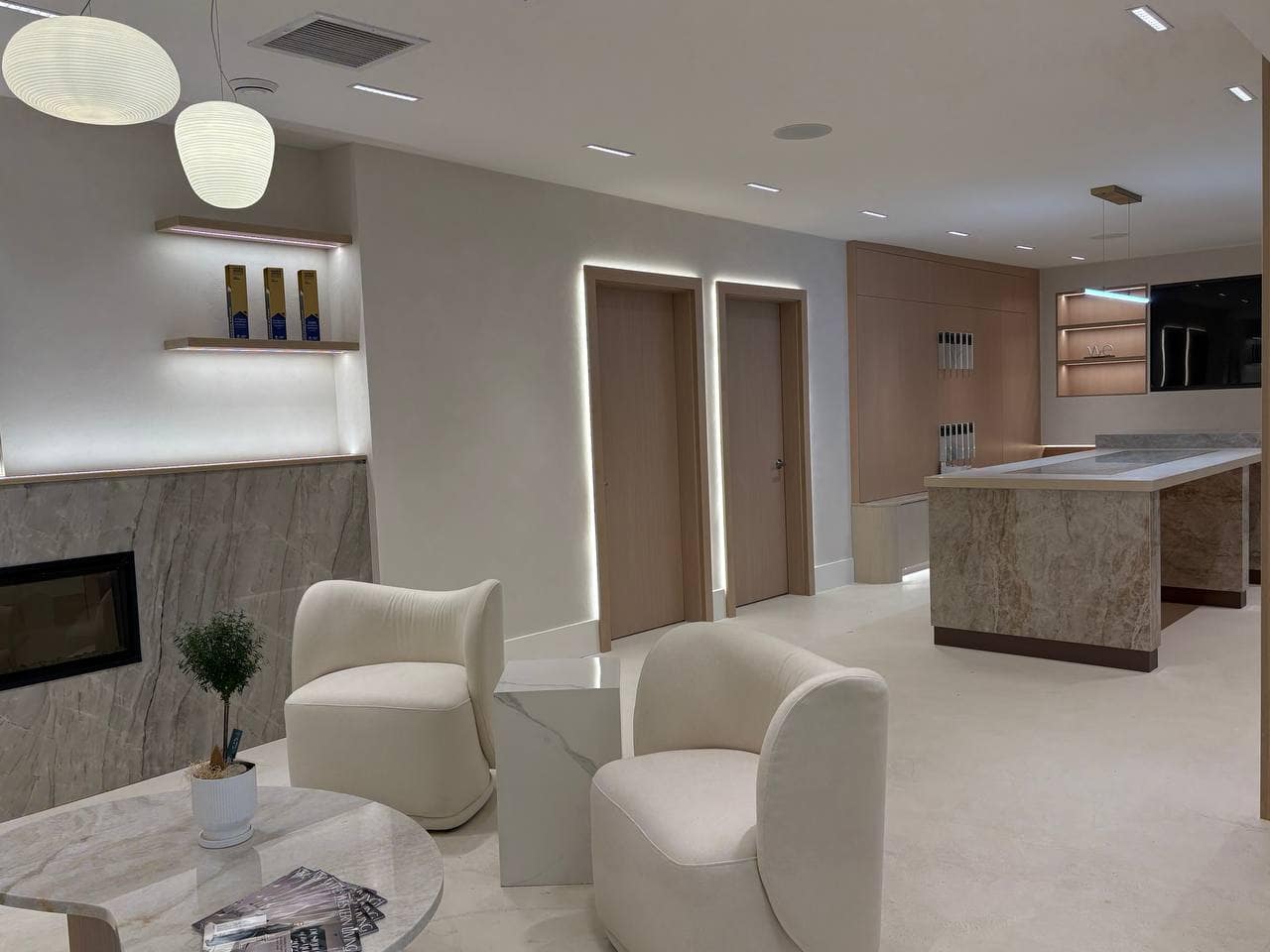

We approach every project as a managed build not a quick fix.
Where alignment, transitions, and finishing quality are engineered into the result.
View the project highlights to see the transformation and final outcome.
View the project highlights to see the transformation and final outcome.


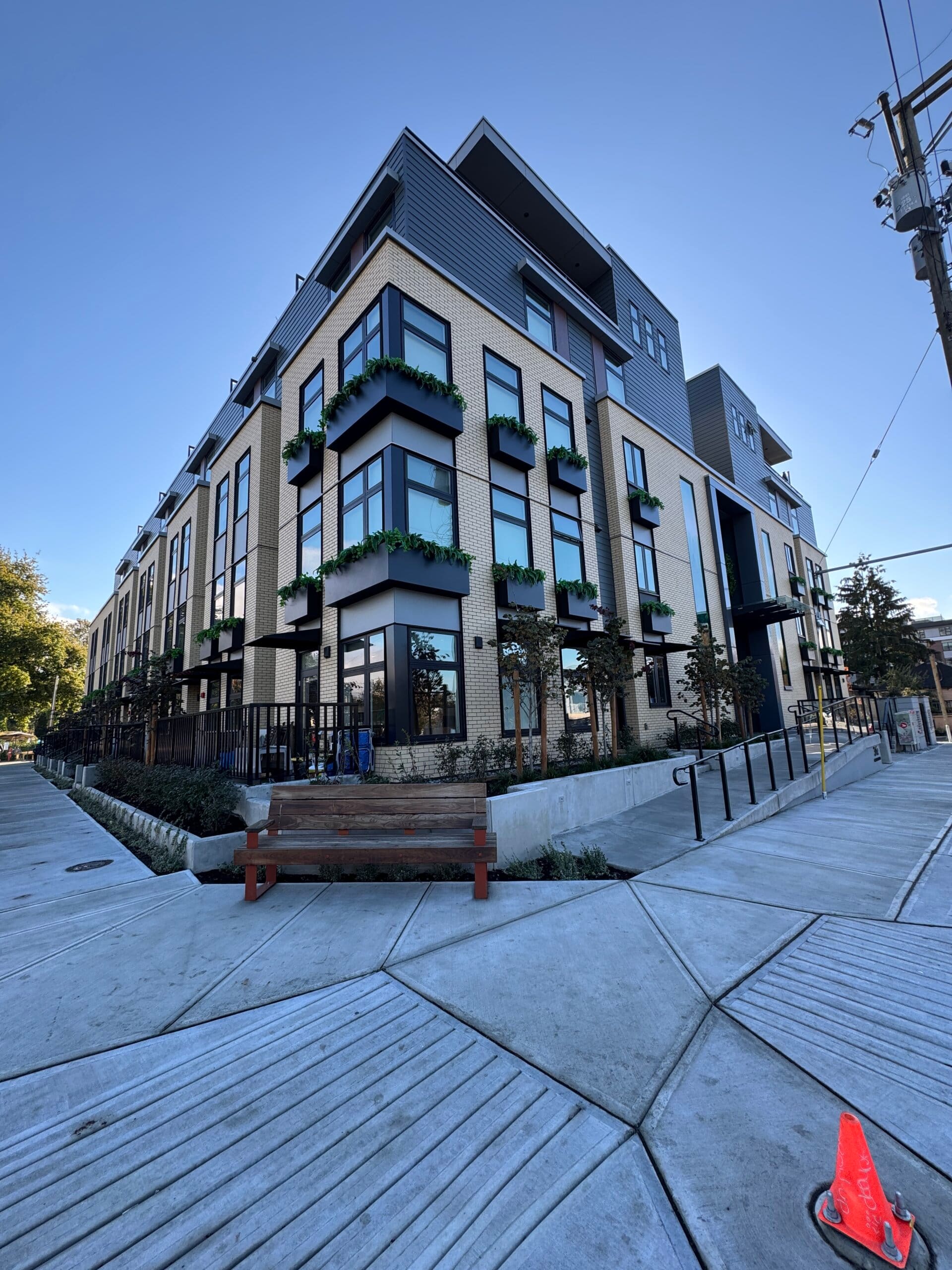
We approach every project as a managed build not a quick fix.
Where alignment, transitions, and finishing quality are engineered into the result.
View the project highlights to see the transformation and final outcome.
View the project highlights to see the transformation and final outcome.


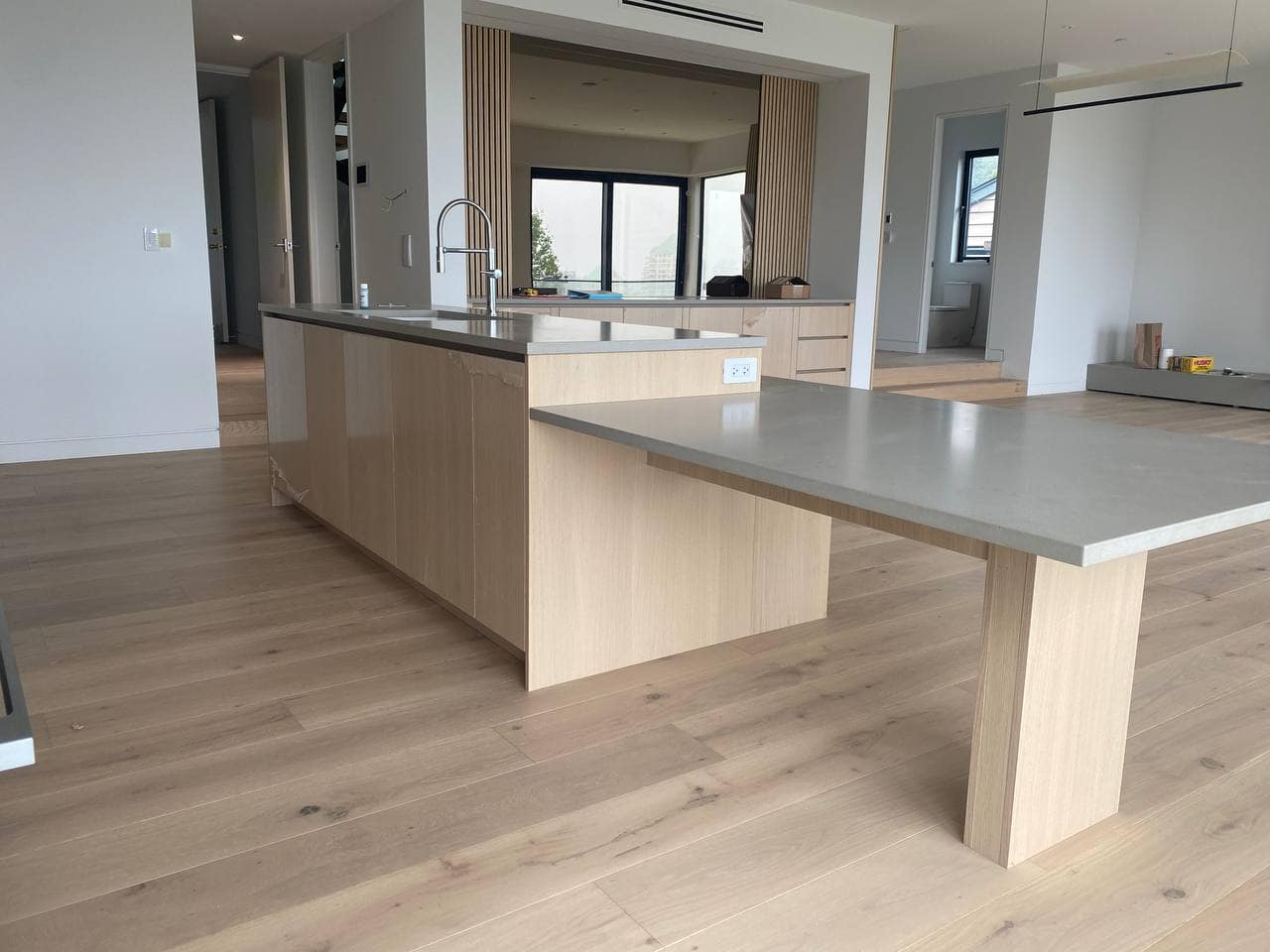
We approach every project as a managed build not a quick fix.
Where alignment, transitions, and finishing quality are engineered into the result.
View the project highlights to see the transformation and final outcome.
View the project highlights to see the transformation and final outcome.


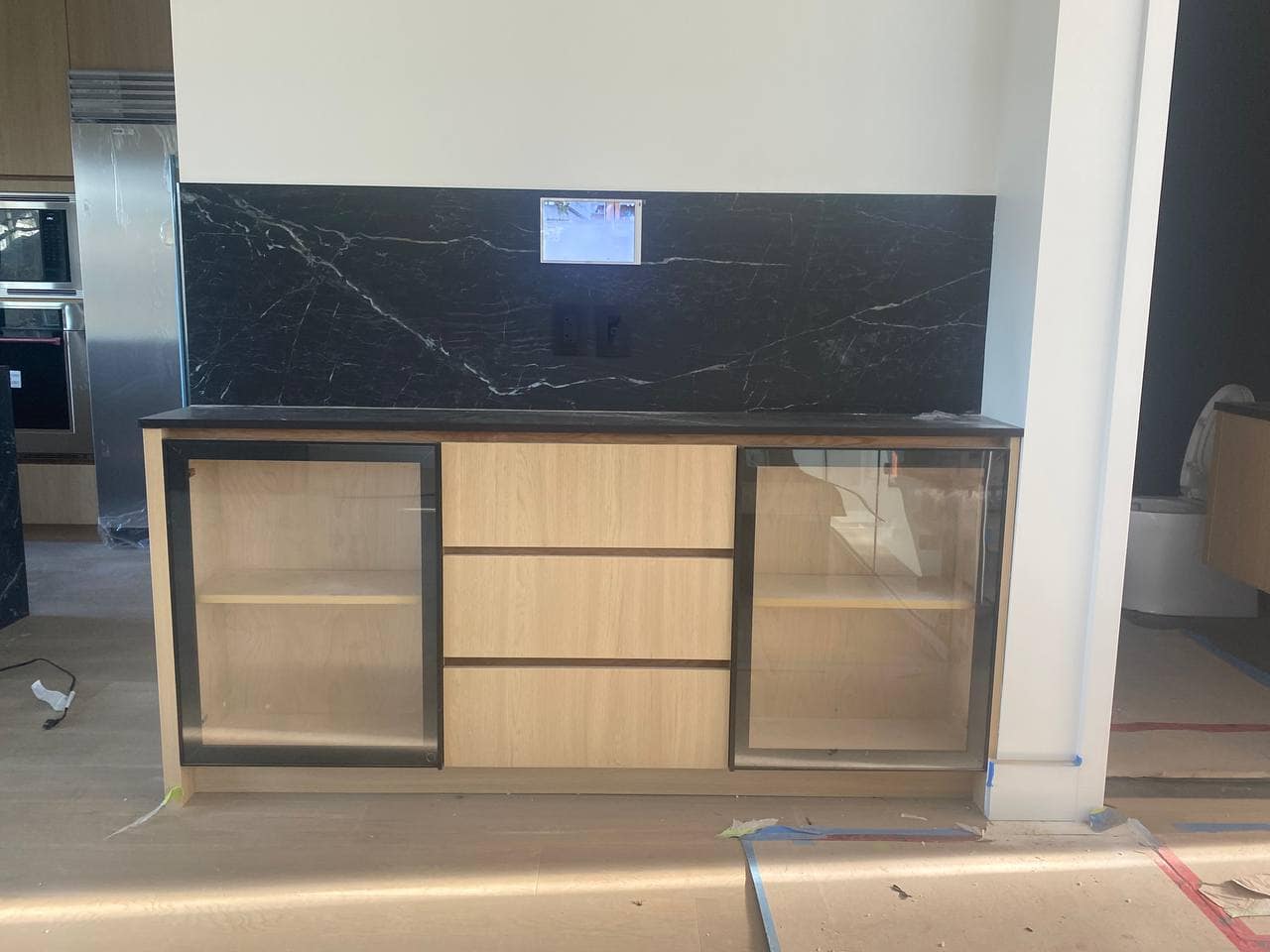

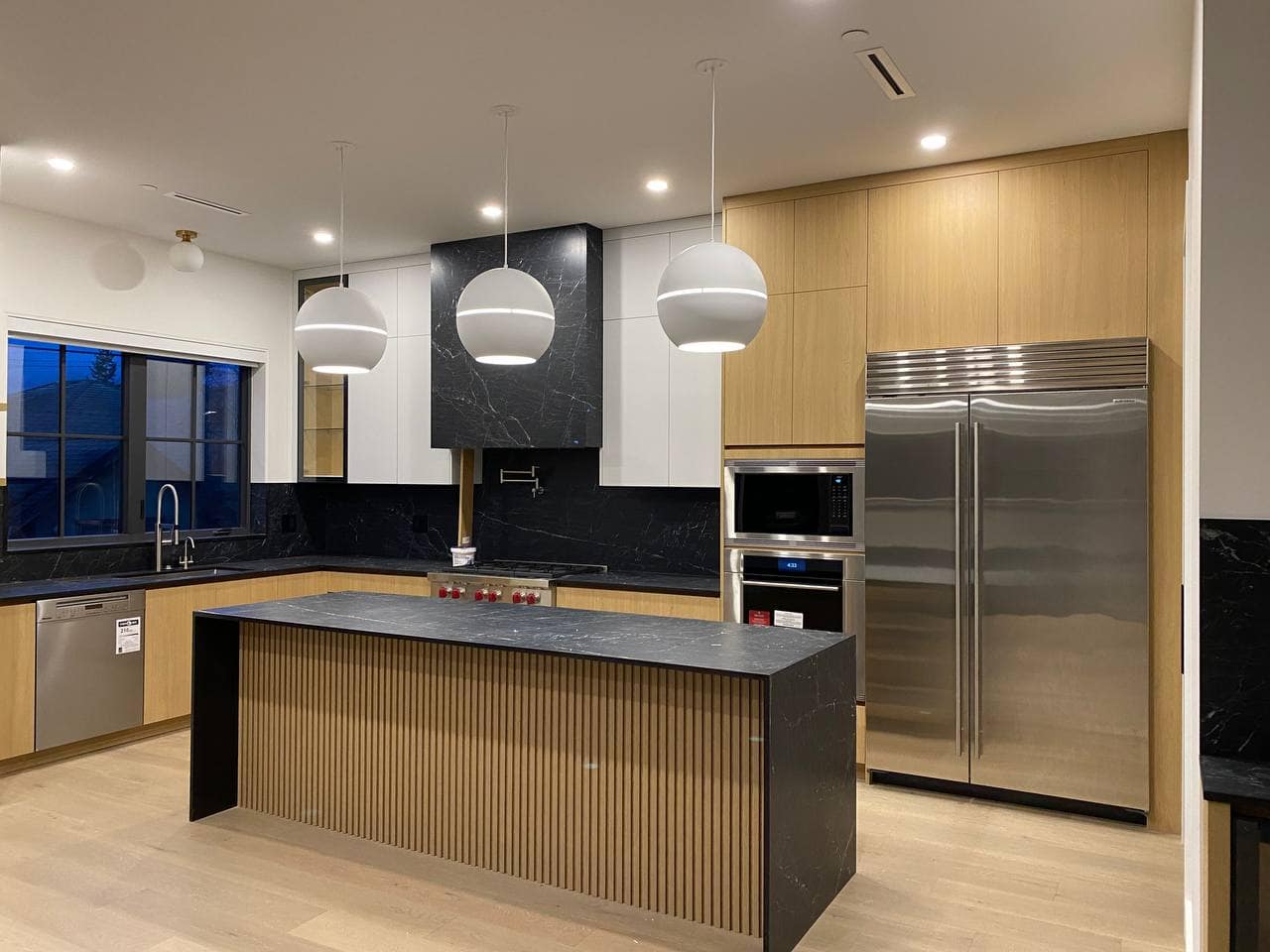
We approach every project as a managed build not a quick fix.
Where alignment, transitions, and finishing quality are engineered into the result.
View the project highlights to see the transformation and final outcome.
View the project highlights to see the transformation and final outcome.




Cost depends on size, structural scope, demolition requirements, utilities routing, finish level, and site access. We typically provide an initial budget range first, then a detailed estimate once design and scope are defined.
Timelines depend on scope, but most projects follow three phases:
design & prep, structure/envelope, and utilities + finishes. We provide a milestone-based schedule so progress is trackable.
In many Metro Vancouver municipalities, permits and drawing approvals are required for horizontal extensions and second-story additions. We account for permitting requirements from the start to reduce risk of work stoppages.
Often yes depending on where the addition is and how invasive the work is. If occupancy continues, we plan for dust, noise, access, and occasional temporary service interruptions.
It depends on lot constraints, zoning/bylaws, structural conditions, and budget. Vertical additions may require reinforcement; horizontal extensions may be simpler but depend on available land and regulations.
Through integrated design (proportions, windows, exterior finishes, daylighting, interior flow) and precise execution especially at structural and envelope connection points.
When a project benefits from visual clarity, we can provide 3D modeling/renderings to support decisions and reduce costly changes later.
A dedicated site supervisor/project lead manages daily coordination and provides regular progress updates (weekly or per project plan) to keep decisions and next steps clear.
Yes. If you’d like, you can hire an independent inspector. We support an organized handover using quality checklists and a punch list process.
Yes warranty and after-care are defined in writing within the contract (duration, coverage, and request process) so expectations are clear after handover.