

What is Restoration, exactly?
You open the basement door and the first thing that hits you is the smell fresh dampness. Then you notice a faint stain near the baseboard, a slight ripple in the flooring, or a drop ceiling that has darkened for no obvious reason. These are usually the symptoms of a problem, not the problem itself.
Restoration means returning a space to a safe, dry, healthy, code-appropriate condition after damage such as water leaks, a flooded basement, chronic moisture, mold, or smoke/fire impact. That’s the key difference from renovation: Restoration starts with stopping the damage and fixing the root cause not changing décor.
Harad Construction delivers residential and commercial restoration projects across Metro Vancouver with a clear approach: we identify the cause, stop the damage, then rebuild on a sound, healthy foundation.
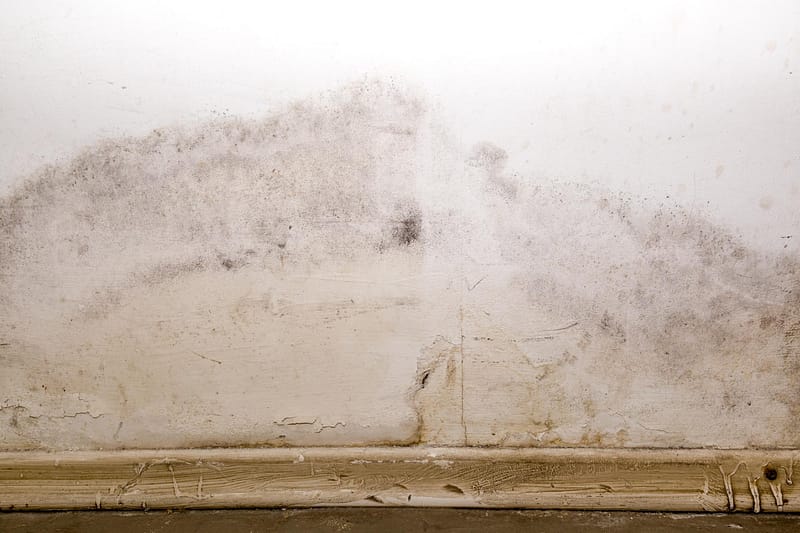
In Metro Vancouver’s climate, moisture has time to creep in quietly and stay hidden. That’s why many people replace one visible area, only to see the same signs return a few weeks later this time more widespread.
Professional restoration breaks that cycle because it focuses on the high-risk issues behind “surface fixes,” including:
When restoration is done properly, the result isn’t just “no more stains and smells.” Your basement becomes a space you can rely on whether for daily use, a workspace, or future plans (within permits and regulations).
We determine where the water/moisture came from, how far it spread, and whether it was a one-time incident or an ongoing issue.
If there’s a risk of mold/contamination, we isolate the work zone so dust and contaminants don’t spread—especially important in occupied homes or active commercial units.
The goal isn’t to “look dry.” We remove trapped moisture so the rebuild happens on a stable, dry base.
We open only what’s necessary. If mold or smoke/fire residue is involved, remediation is handled with a specialized, controlled approach.
Where required, we clarify permit pathways and compliance early. Depending on the project, this may involve items such as the BC Building Code, Vancouver Building By-law, BC Fire Code, WorkSafeBC requirements, and for strata buildings, strata bylaws.
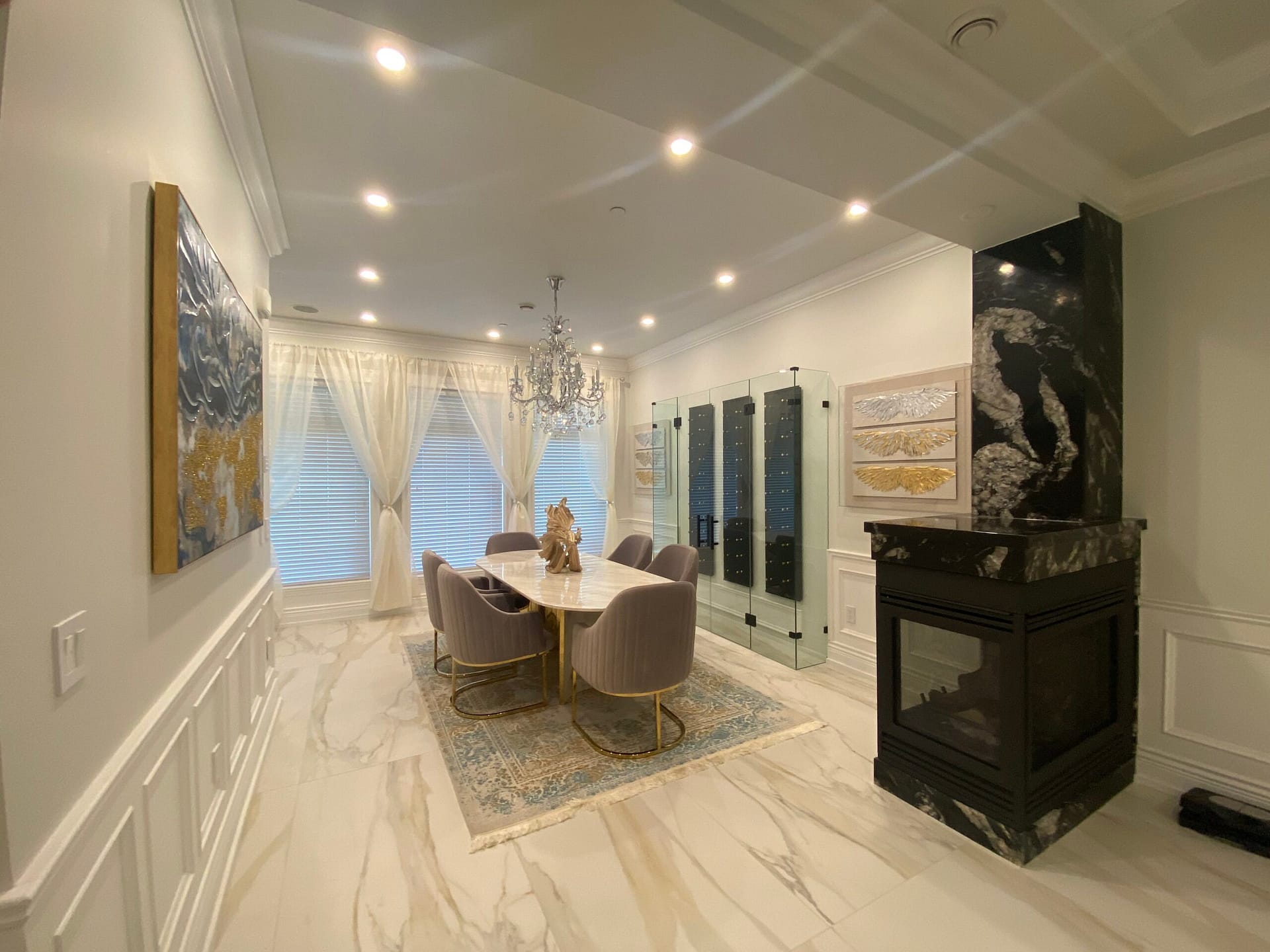
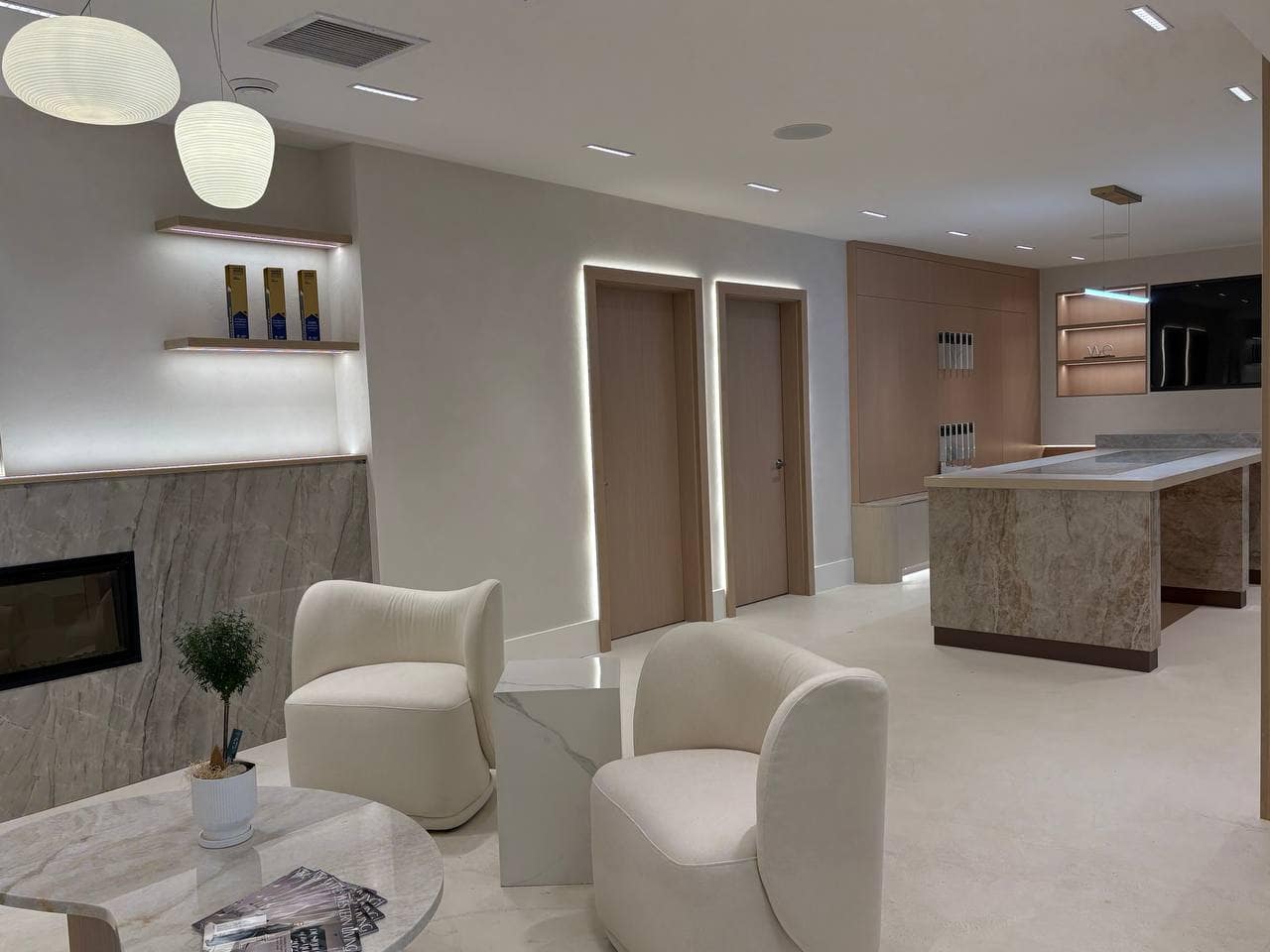
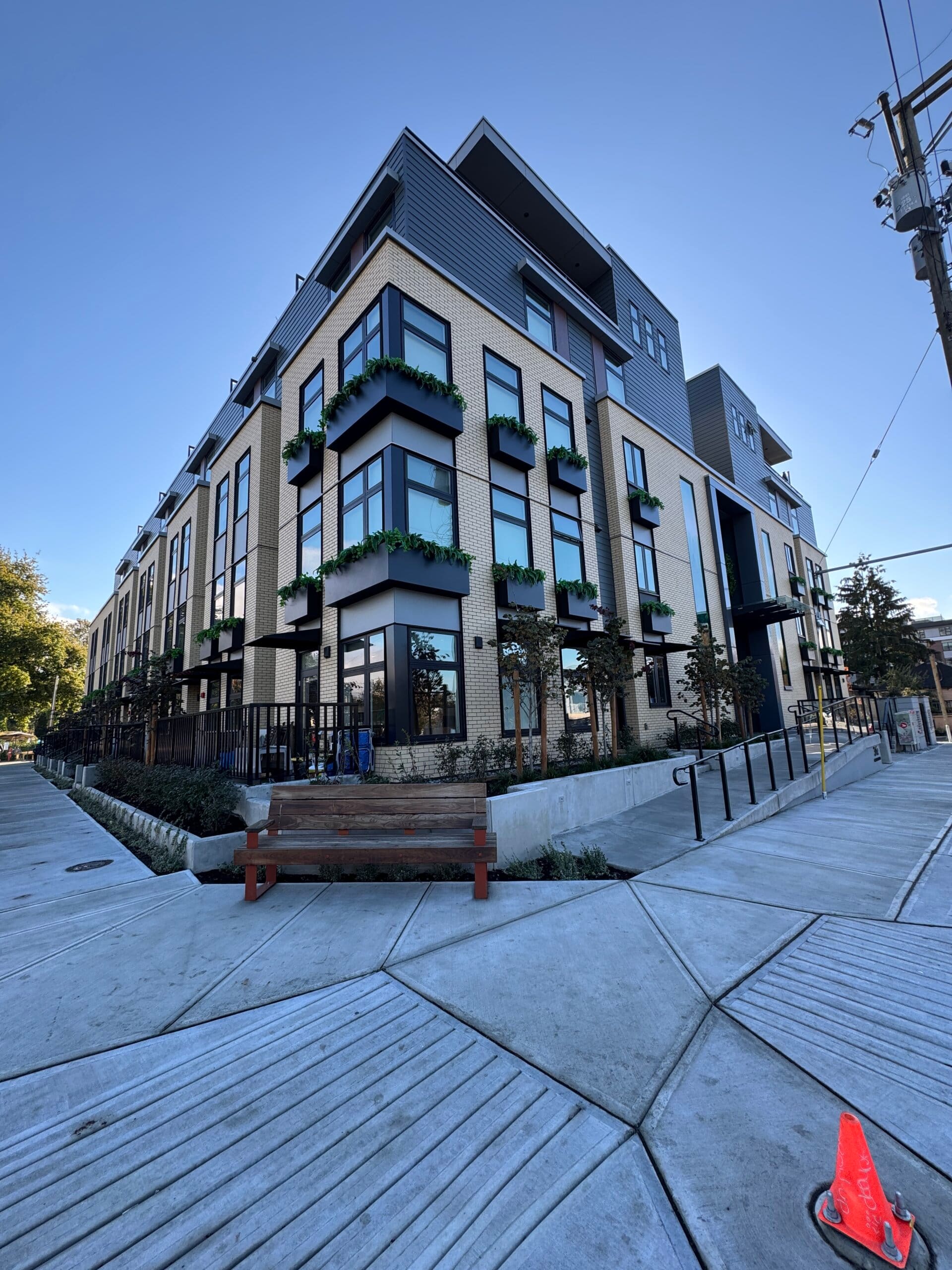
Click any project image below to see the project details.
We approach every project as a managed build not a quick fix.
Where alignment, transitions, and finishing quality are engineered into the result.
View the project highlights to see the transformation and final outcome.
View the project highlights to see the transformation and final outcome.


We approach every project as a managed build not a quick fix.
Where alignment, transitions, and finishing quality are engineered into the result.
View the project highlights to see the transformation and final outcome.
View the project highlights to see the transformation and final outcome.



We approach every project as a managed build not a quick fix.
Where alignment, transitions, and finishing quality are engineered into the result.
View the project highlights to see the transformation and final outcome.
View the project highlights to see the transformation and final outcome.


We approach every project as a managed build not a quick fix.
Where alignment, transitions, and finishing quality are engineered into the result.
View the project highlights to see the transformation and final outcome.
View the project highlights to see the transformation and final outcome.


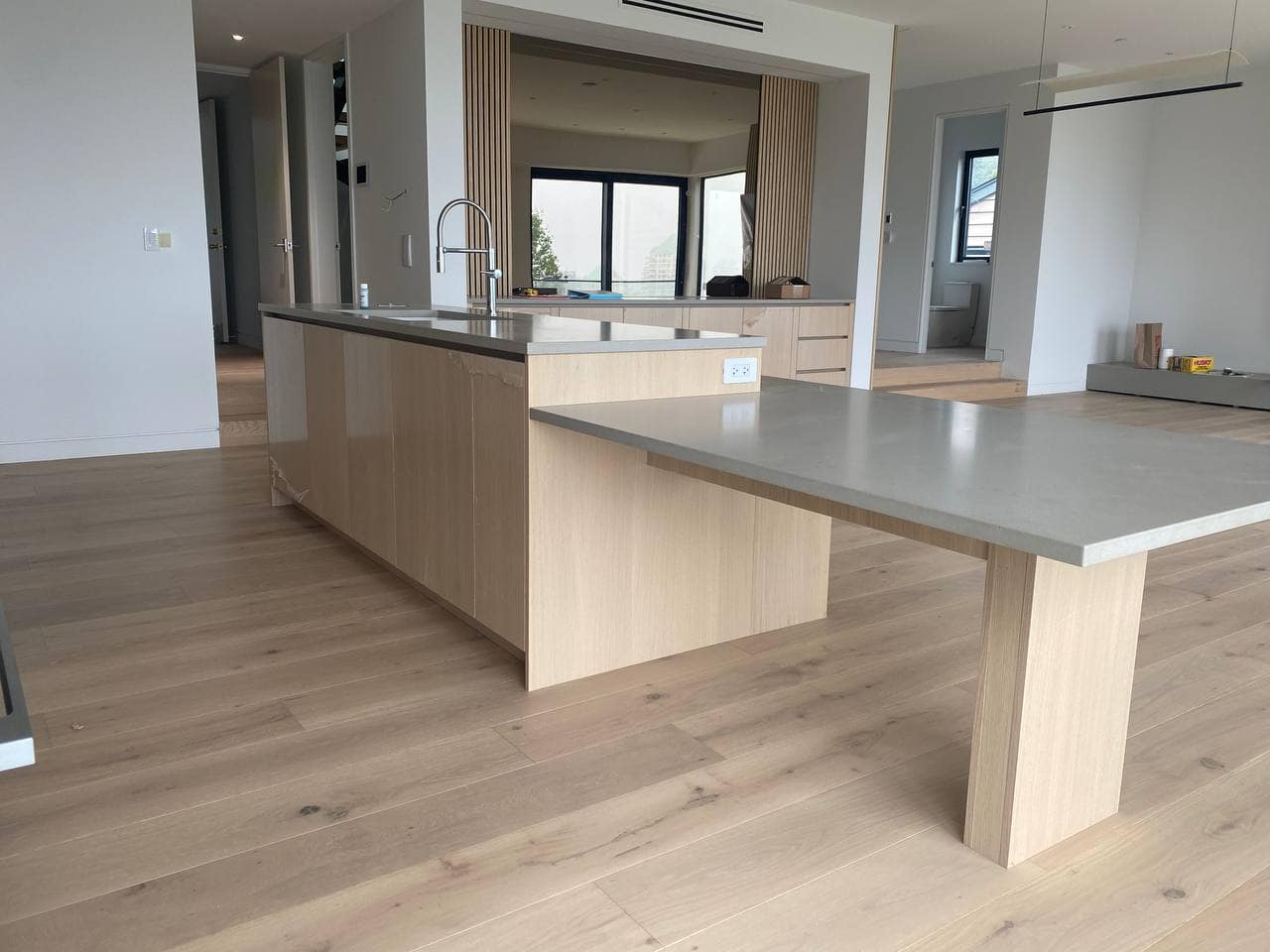
We approach every project as a managed build not a quick fix.
Where alignment, transitions, and finishing quality are engineered into the result.
View the project highlights to see the transformation and final outcome.
View the project highlights to see the transformation and final outcome.


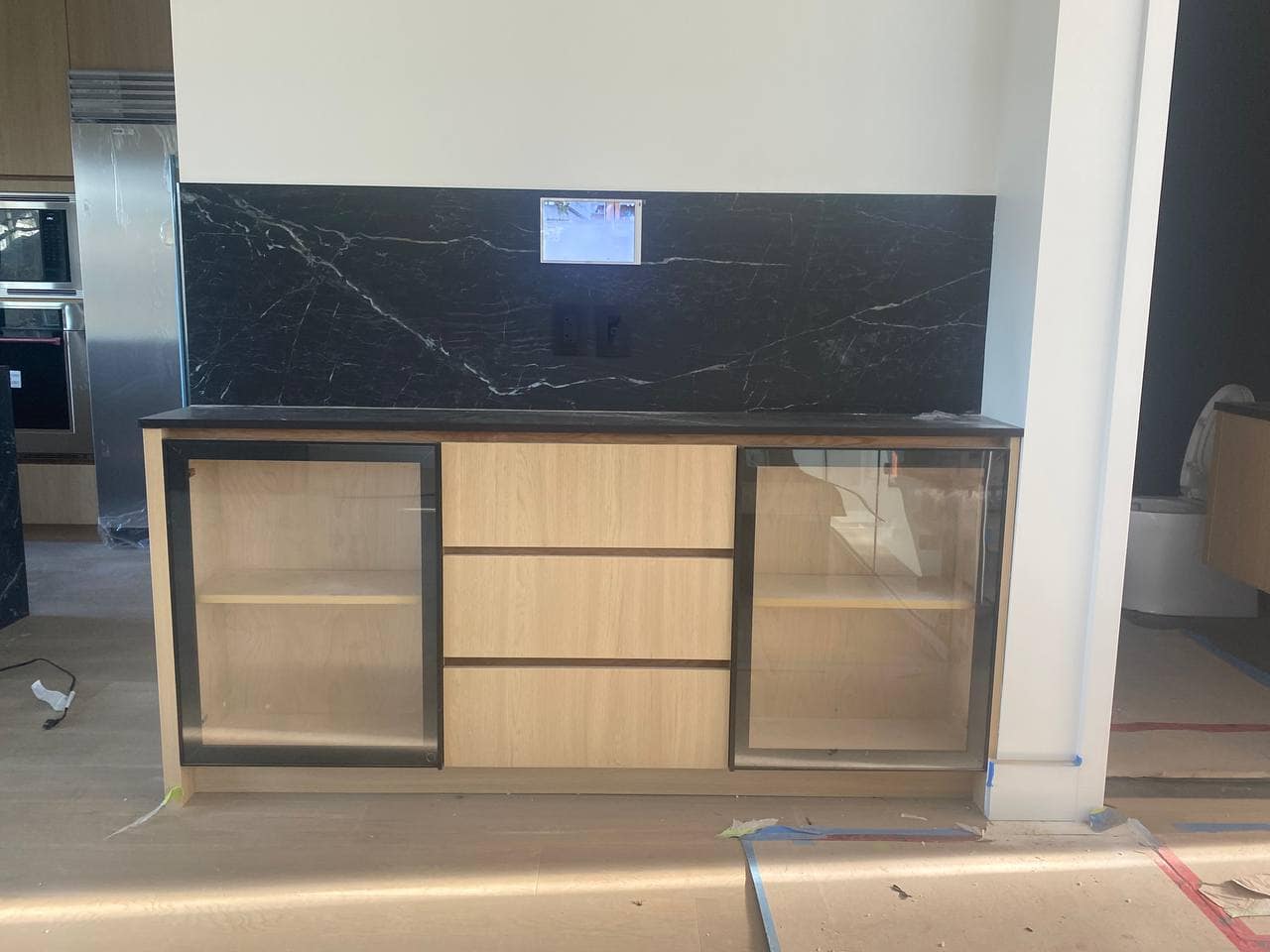

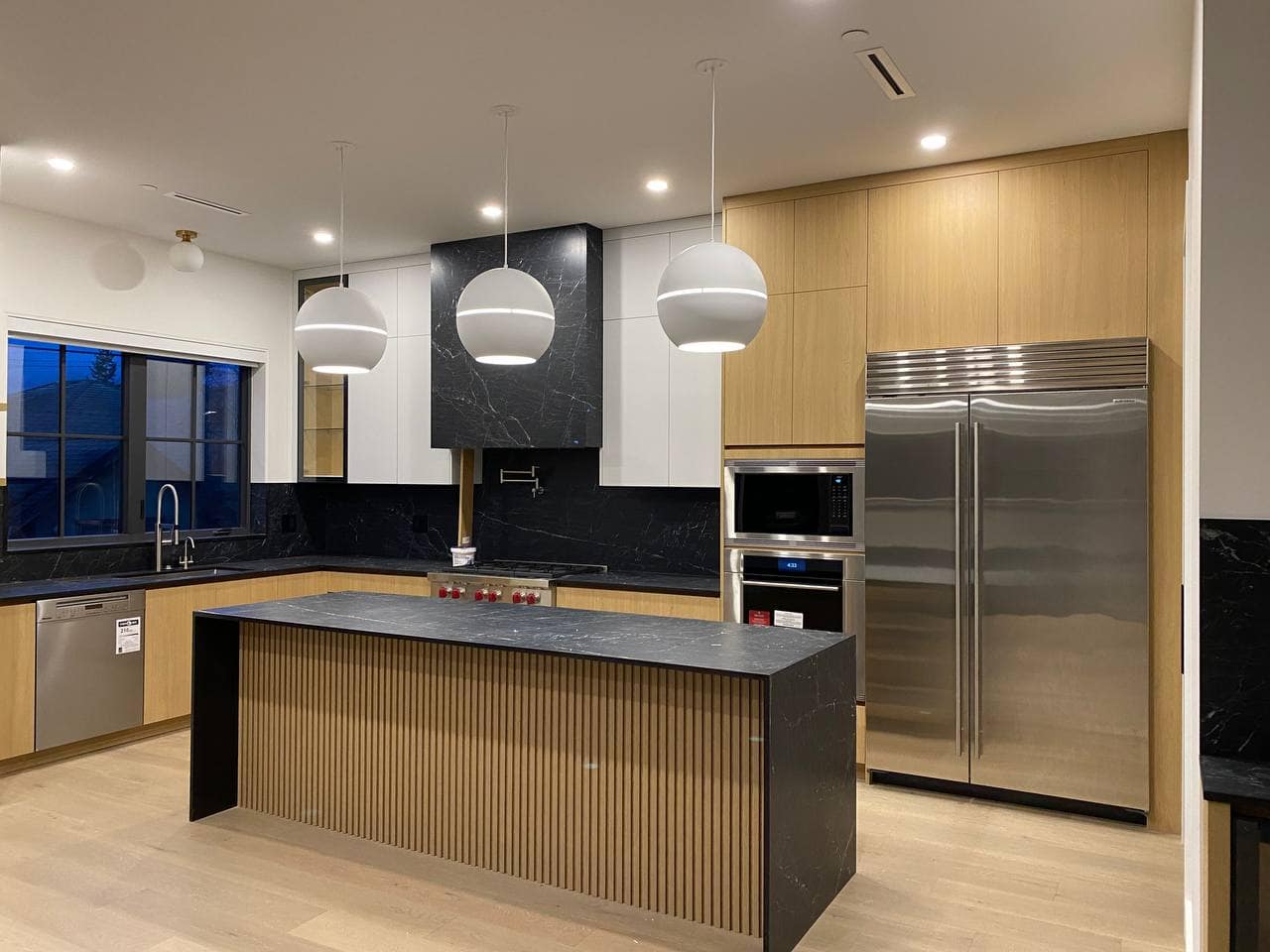
We approach every project as a managed build not a quick fix.
Where alignment, transitions, and finishing quality are engineered into the result.
View the project highlights to see the transformation and final outcome.
View the project highlights to see the transformation and final outcome.


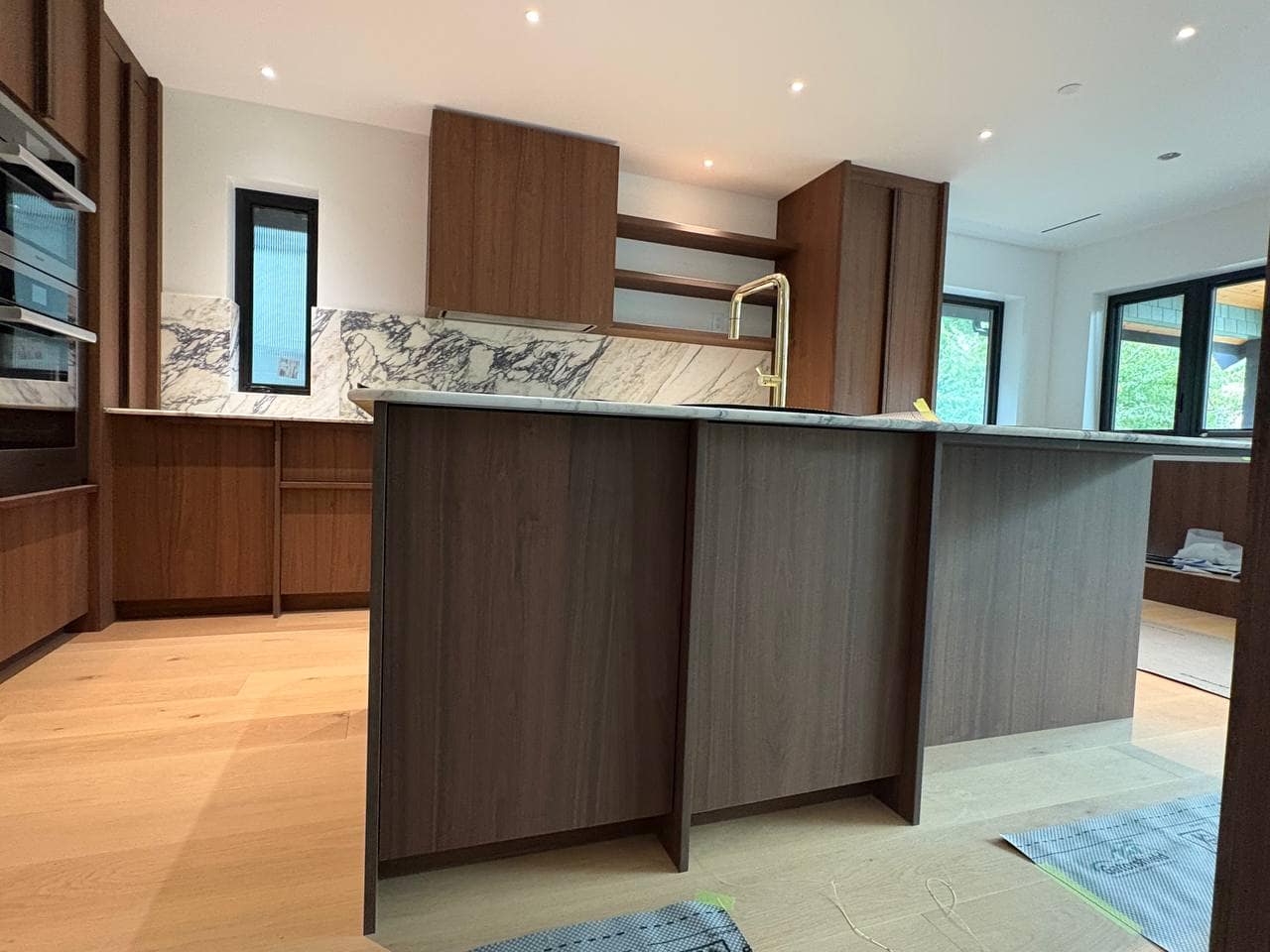


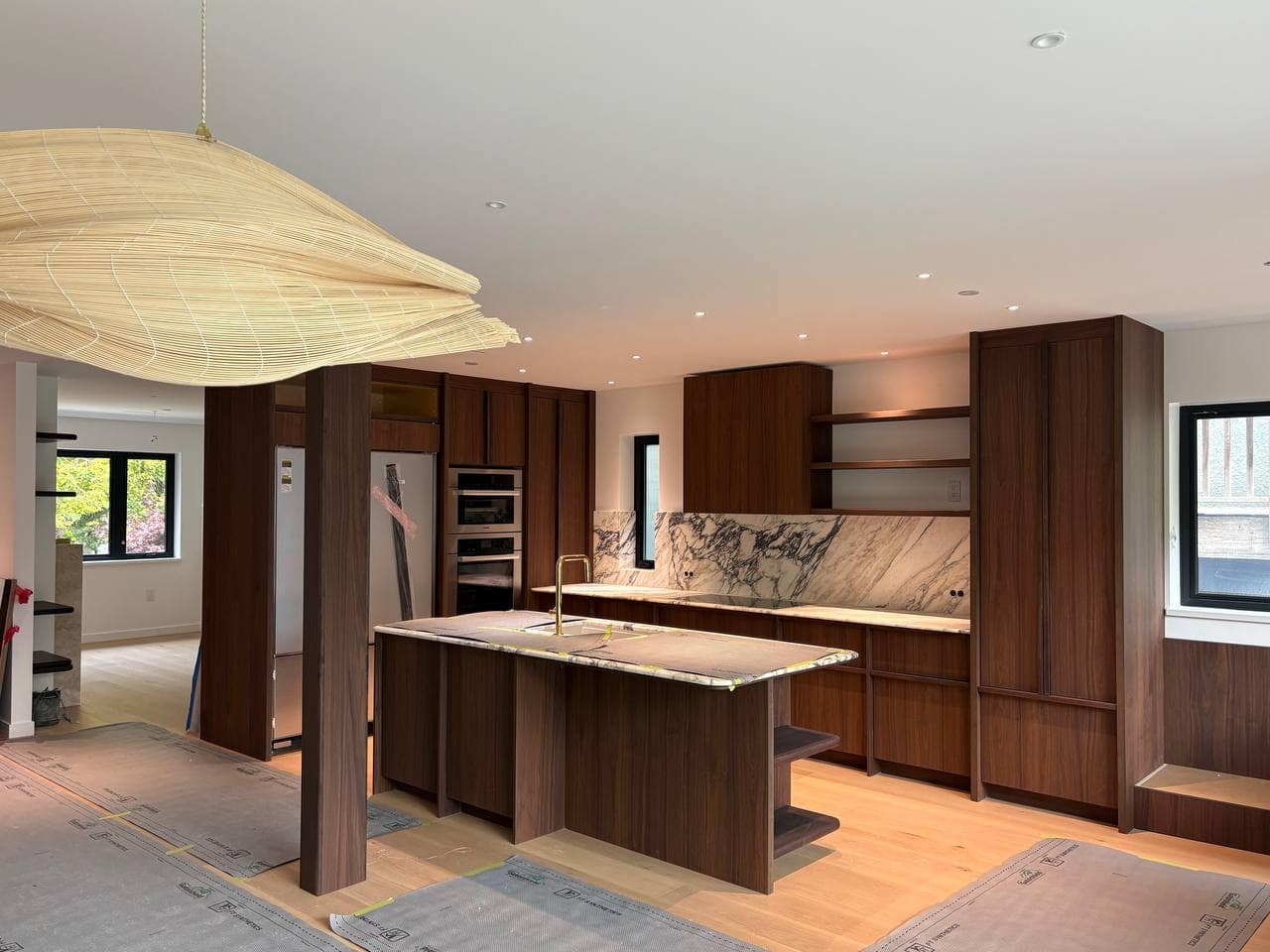
Renovation upgrades appearance or function even when there’s no damage.
Restoration is for real damage (water, moisture, mold, smoke/fire) where priorities are drying, damage control, and returning the space to a proper standard.
Common signs of hidden issues: persistent damp smell, recurring stains, flooring ripples, softened drywall sections, or discoloration in a drop ceiling. These often indicate moisture behind materials and should be inspected.
If the moisture source or trapped moisture remains, the same pathway reactivates. Cosmetic work can hide the problem temporarily, but it increases the risk of a larger comeback.
Not just the air. Materials and structure must return to acceptable moisture levels insulation, framing, subflooring, and more otherwise odor and mold risk remain.
No. In a professional project, openings are targeted: only as much as needed to remove damaged materials and allow proper drying and repair.
Through phasing, containment, and execution planning. Many commercial restorations can keep part of the space operational provided safety and environmental controls are handled correctly.
It depends on scope. Like-for-like repairs may be different, but any structural changes, mechanical/plumbing/electrical work, egress changes, or change of use can trigger permit and regulatory requirements (e.g., BC Building Code; in Vancouver, Vancouver Building By-law).
In many strata properties, coordination with strata bylaws and building management is essential (access, work hours, protection of common areas, and approval processes).
Yes if the damage is handled correctly first. After restoration, the basement can be upgraded for better use (office, lounge, guest room). If the goal is a secondary suite, it should be planned from day one with permits and compliance in mind.
We don’t advise on specific costs or tax treatment, but if the project relates to an investment property or commercial space, it’s smart to consult your accountant regarding Repair vs. Capital Improvement and GST/PST considerations.